By Sydney Sevdalis
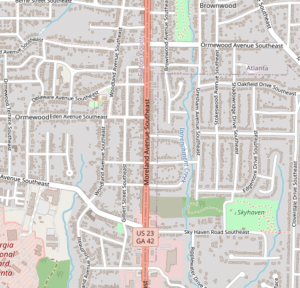
For nearly two decades, seven acres along Locust Lane in Southeast Atlanta sat empty. The land was once part of the Leila Valley public housing community. After the apartments were demolished in 2008, the property remained unused, a familiar sight in neighborhoods where disinvestment has left land waiting years for a new purpose. Now, the ground is growing again.
Atlanta Housing and Food Well Alliance are transforming the site into Leila Valley Community Farm, an urban farm, orchard and gathering place intended to provide fresh food for Atlanta Housing residents and the surrounding community. The project represents Atlanta Housing’s first effort to integrate food production into a future housing development. The premise is straightforward: If a healthy community requires both stable housing and nourishing food, the two should be planned together.
“No single project will address every community challenge,” Atlanta Housing President and CEO Terri M. Lee said when the partnership was announced. “But with thoughtful, collaborative planning, we’re working to optimize housing designs to benefit longstanding communities.”
Residents, organizers and volunteers planted the farm’s first seedlings in May 2025. They also constructed growing beds, installed a shade tunnel, and assembled a water container for irrigation. Volunteers affiliated with Major League Baseball and the Atlanta Braves later helped prepare more of the property for community use.
Plans include 6,000 square feet of vegetable-growing space and a 2.4-acre orchard planted with native fruit trees. ADA-accessible garden beds will make participation easier for seniors and people with limited mobility. The farm is also expected to include grow tunnels, cold storage, an education pavilion and dedicated space for tools and equipment.
The farm’s location is especially significant for nearby Thomasville Heights, which has more senior residents than any other Atlanta neighborhood. For older adults living alone, managing chronic health conditions or without reliable transportation, reaching a full-service grocery store can require time, money and physical effort. A source of free, fresh food close to home could remove several barriers at once.
As production increases, organizers expect the farm to yield thousands of pounds of produce annually. Rather than being shipped elsewhere or sold at premium prices, the harvest will be donated within the community.“All of the food grown here will be for this community,” Food Well Alliance Executive Director Kate Conner said.
The farm is designed to provide environmental benefits, too. Trees and perennial plantings can support biodiversity and help filter industrial pollution. Rainwater collection and stormwater-sensitive landscaping may reduce flooding, while regular activity on the property could discourage illegal dumping.
New housing is eventually planned for the larger 14-acre Atlanta Housing site. If successful, Leila Valley could offer a new model for affordable-housing development: homes planned alongside food, shade, green space and places where neighbors can gather.
For years, the vacant property represented something Southeast Atlanta had lost. Its next chapter begins with something small: a seed planted in familiar ground, carrying the expectation that nearby residents will share in everything that grows.