By Sydney Sevdalis
By late August, many Atlanta gardens look finished. Tomato plants are struggling from heat and disease, squash vines have summoned every squash bug in the neighborhood, and gardeners are tired of watering a desert. Yet this is also the beginning of one of the region’s best planting seasons.
Atlanta’s relatively mild winters allow many vegetables to grow well into fall, and some can survive through winter with minimal protection. The challenge is timing. Cool season crops need to become established while the soil is still warm, but they must also avoid the worst of late summer heat.
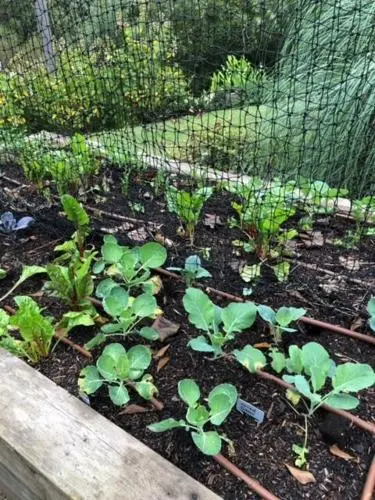
August and September are good months to start or transplant broccoli, cabbage, collards, kale and cauliflower. Carrots, beets, radishes, turnips and many salad greens can be sown directly in the garden. Garlic, shallots and onions are generally planted later in the fall for harvest the following year.
Some crops are easier than others. Radishes grow quickly and can be ready in about a month. Leaf lettuce, arugula and Asian greens can be harvested young instead of waiting for full-sized plants. Collards and kale take longer, but established plants can tolerate cold weather and often taste sweeter after a frost.
That change in flavor has a biological explanation. In response to cold temperatures, some plants convert stored starches into sugars. The additional sugar helps protect plant cells from freezing and makes the leaves taste less bitter.
Garlic and onions require a different timetable. Garlic cloves are generally planted in October or November, remain in the ground through winter, and are harvested in late spring or early summer. Softneck garlic is usually better suited to Georgia’s mild winters. UGA Extension recommends planting onions from September through December, but variety matters: Georgia gardeners generally need short-day onions, which begin forming bulbs as the days lengthen in spring. Both crops grow best in full sun and well-drained soil.
This year, I’m trying Red Acre cabbage, Early Purple Vienna kohlrabi, and Fantasia carrots, along with Texas Early Grano onions, Silver Rose Softneck garlic, and Grey Griselle shallots from Southern Exposure Seed Exchange. For a true experiment, I have also started bitter melon seedlings. They are a gamble this late in the season, but I’m excited to see what happens.
Gardeners should also resist the urge to remove every summer plant at once. Flowering zinnias, salvia, milkweed, and native plants continue to provide nectar and shelter for butterflies and other pollinators. This is especially important as monarchs migrate through Georgia in the fall on their way to central Mexico. Late-blooming flowers provide the nectar they need to fuel that journey. For fun, consider planting fall-blooming flowers such as Georgia aster and ‘Fireworks’ goldenrod, both of which provide sustenance for migrating monarchs.
During the recent Great Southeast Pollinator Census, residents documented the insects visiting plants in Atlanta’s gardens and green spaces. This exercise was a reminder that a pollinator garden does not need to be large to matter; even a modest patch of flowers can provide valuable food and habitat for bees and butterflies.
Local neighborhood Facebook groups such as SE ATL Gardeners are also useful sources of practical information. Neighbors can compare planting dates, exchange seedlings, and identify pests under the same local conditions. Please check them out.